Rare UK Herons: How to Identify Bitterns, Night Herons and Purple Herons
Most of us learn herons on Grey Heron. It is big, grey, obvious, and usually standing in the open as if it owns the place. The three species in this guide are a different test. Bittern, Night Heron and Purple Heron are scarce in Britain, often secretive, and frequently seen in poor light or brief flight. The good news is that each has a strong character in the field. Learn their habitats, seasons, shapes and voices, and a distant brown blur stops being a frustration and starts being a record.
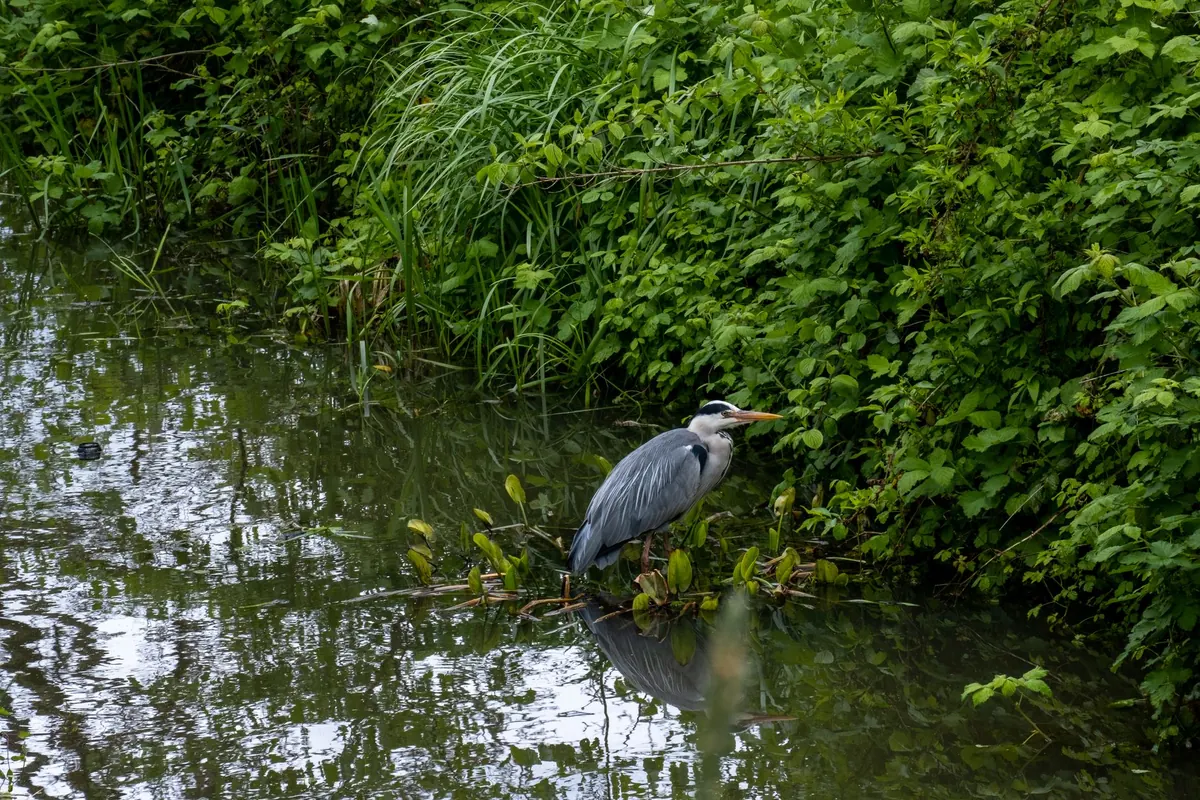
Grey Heron: the yardstick
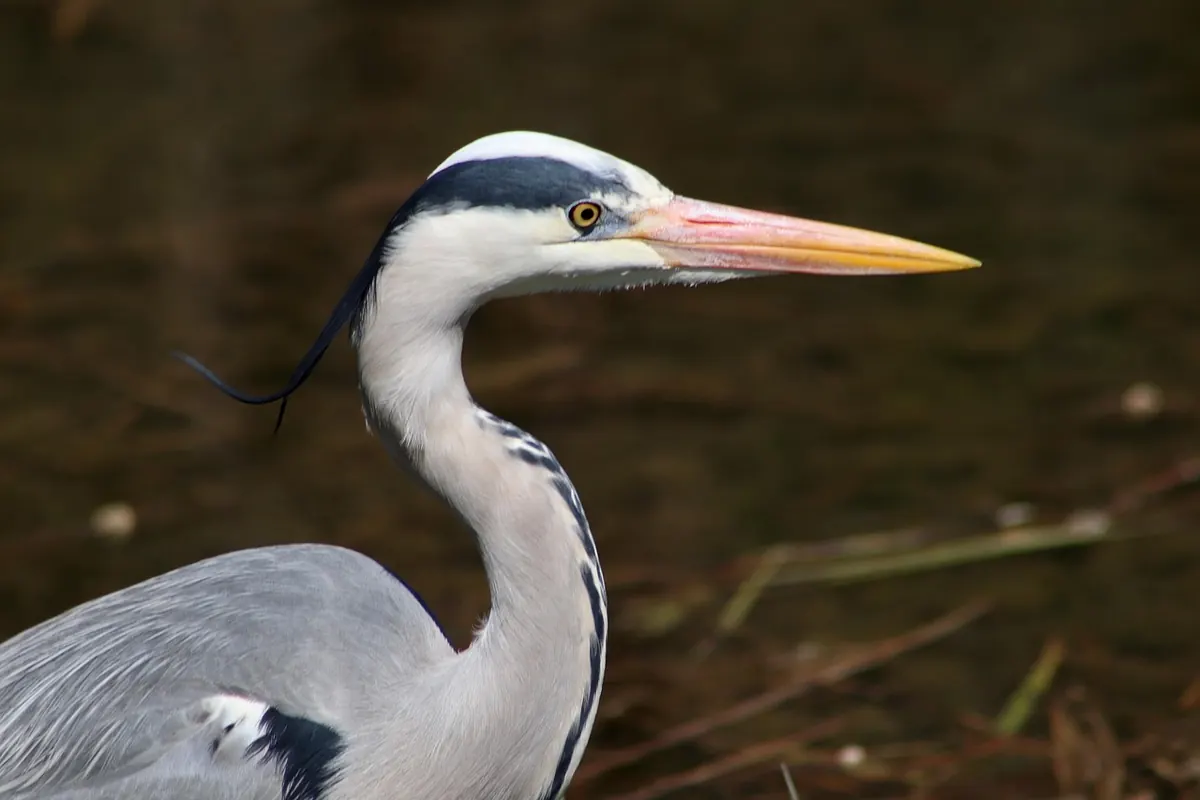
Before chasing rarities, fix Grey Heron in your mind. The adult is tall and lanky, pale grey with black shoulder patches, a white head with a black eye-stripe, and a yellow dagger bill. In flight it has broad wings, the neck folded back, and long legs trailing. Its call is a harsh fraaank. Juveniles are duller and greyer, without the black crown, but they are still large and long-necked. If a bird looks like a Grey Heron but slightly wrong, check the three below. Do not force it, though: many scarce herons are separated by jizz, not colour.
Bittern: the reedbed boomer
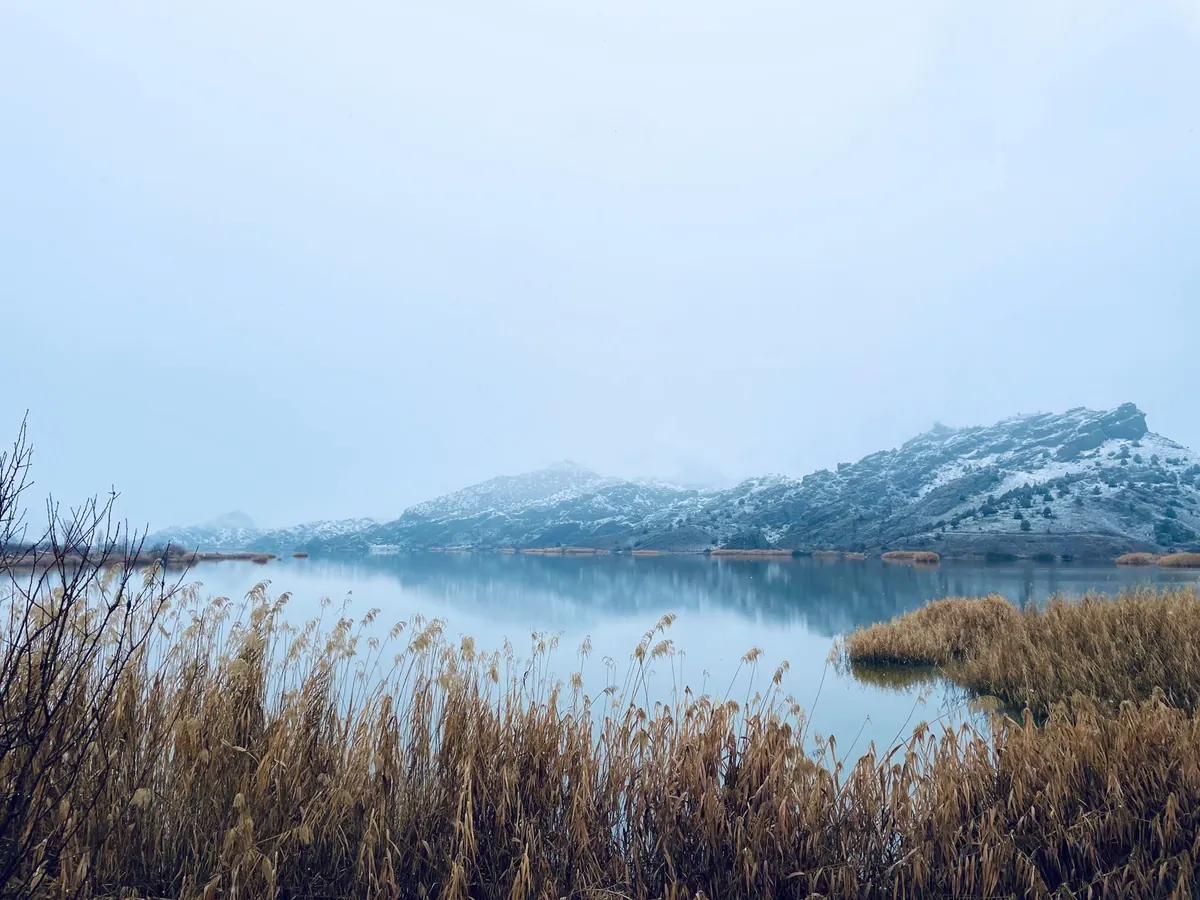
Bittern is a bird of large, wet reedbeds. It breeds at a handful of UK sites and becomes more widespread in winter, when cold weather pushes birds into reed-fringed dykes, wet fields and smaller marshes. You often hear one before you see it. The boom is a deep, resonant note, like someone blowing across the top of a bottle. It carries a long way and is usually repeated. In spring, it is the soundtrack of a healthy reedbed.
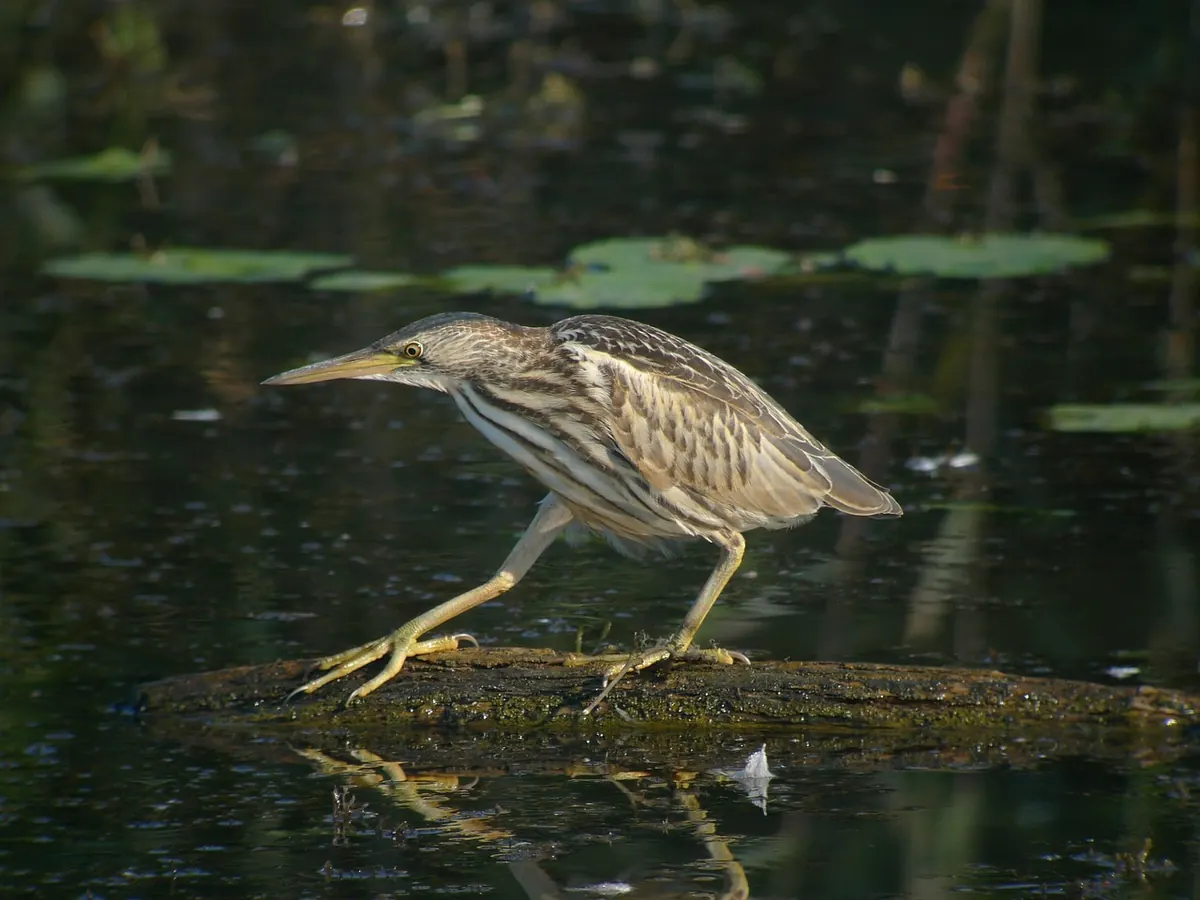
Seen briefly, a Bittern is stocky and heavy, with a thick neck, a long dagger bill and buff-brown plumage covered in dark streaks and bars. It freezes upright among reeds, bill pointed skyward, and vanishes. In flight it looks broad-winged and rounded, rather owl-like, with the neck retracted and feet trailing. The alarm call is a sharp kek or a series of kek-kek notes.
Night Heron: the dusk specialist
Black-crowned Night Heron is a scarce visitor, mostly in spring and autumn, with a few birds overwintering. It likes wooded edges of lakes, rivers and marshes, and often roosts communally in trees by water. It is crepuscular and nocturnal, so dawn and dusk are prime times. During the day, look for a hunched shape in dense cover.
Adults are unmistakable at close range: black crown and back, grey wings, white underparts, red eye, yellow legs and a thick black bill. Juveniles are brown and heavily streaked or spotted, with a yellow bill and greenish-yellow legs. They can suggest a small Bittern, but are shorter-billed, shorter-necked and stockier. In flight, Night Heron is direct and compact, with broad wings and feet barely projecting past the tail. The common call is a harsh, far-carrying kwok or wok, often given in flight after dusk.
Purple Heron: the slim reedbed rarity
Purple Heron is the most elegant of the three. It is a scarce spring overshoot, mostly April to May, with autumn records and occasional breeding attempts. It favours extensive reedbeds, marshes, dykes and wet meadows, where it skulks more than Grey Heron.
Adult Purple Heron is slim, long-billed and snake-necked. The neck is rufous or chestnut with dark vertical stripes, the crown is black, and the back is dark purple-grey. Juveniles are buffy-brown and streaked, easily mistaken for young Grey Herons, but look at the shape: thinner body, longer bill, darker crown and a more angular head. In flight, Purple Heron shows long legs and, crucially, long toes that project beyond the tail. The wings are narrower than Grey Heron's, and the overall look is lighter and more rakish. Its call is a harsh croak, often shorter and sharper than Grey Heron's.
Quick separators in the field
When a rare heron appears, work through these points in order:
- Season and habitat: Bittern in reedbeds, especially winter and early spring; Night Heron near wooded water, mostly spring and autumn; Purple Heron in reedbeds, mostly late spring.
- Size and shape: Bittern is stocky and heavy; Night Heron is small, short-necked and hunched; Purple Heron is tall, slim and long-billed.
- Plumage: Bittern is buff-brown and streaked; adult Night Heron is black, grey and white; adult Purple Heron is rufous, purple-grey and black-striped.
- Flight: Bittern broad-winged and owl-like; Night Heron compact and direct; Purple Heron slim with long toes trailing.
- Voice: Bittern booms; Night Heron gives a kwok; Purple Heron croaks harshly.
If two features conflict, trust shape and voice over colour. Poor light can make a Grey Heron look dark and a Purple Heron look grey.
When and where to look
Timing matters. For Bittern, visit a large reedbed in winter or early spring, and arrive before dawn to listen. For Night Heron, check known roosts at dusk in spring and autumn, and listen for calls as birds move between feeding and roosting sites. For Purple Heron, target late April and May, especially after southerly winds, at reserves with big reedbeds and shallow pools.
Reserves with a mix of open water, reed and wet woodland give you the best chance. Scan reed edges from a distance, look for a shape that does not quite match the reeds, and check any her
Photo: hennyvanoppen / Pixabay