Why Heronries Matter: Conservation Challenges for UK Herons
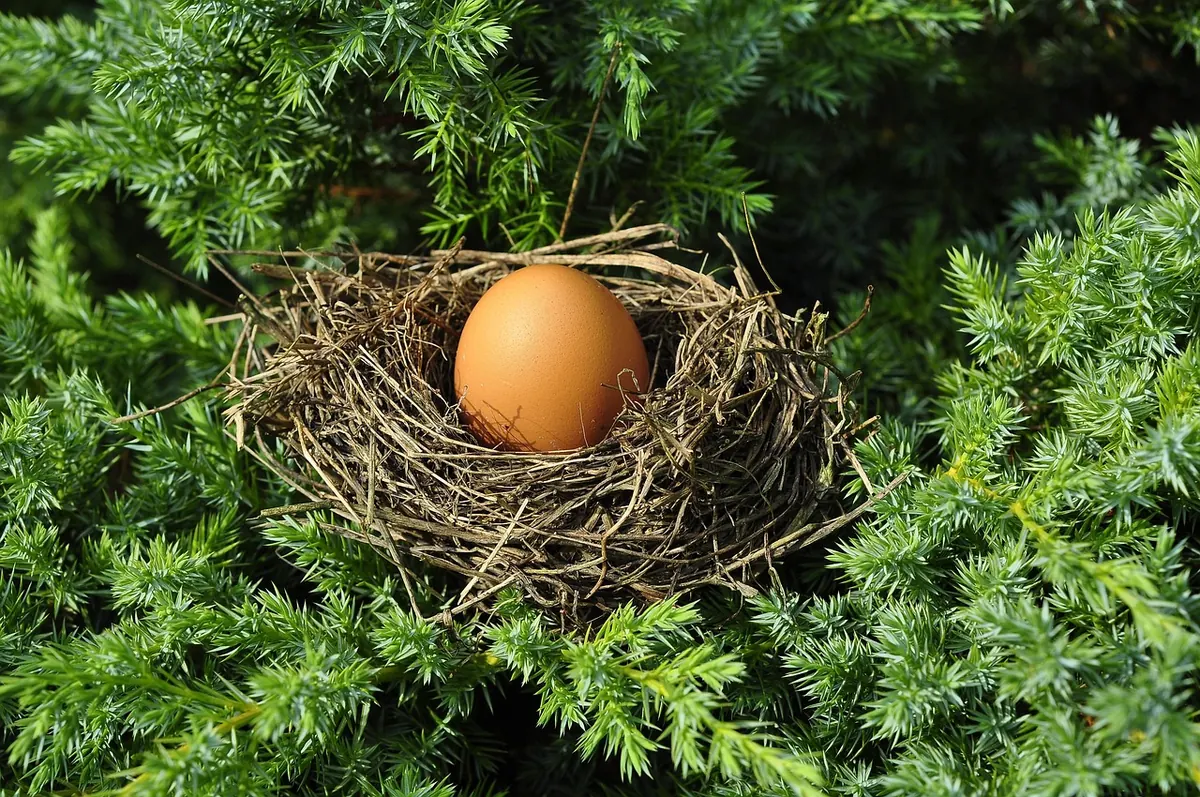
A heronry is easy to walk past. The nests sit high in the crowns of a few tall trees, the birds are quiet for much of the day, and the giveaway is often just a faint, fishy smell on the breeze. Then a branch creaks, a grey heron lifts off with a hoarse, prehistoric croak, and the whole wood turns out to be full of birds after all.
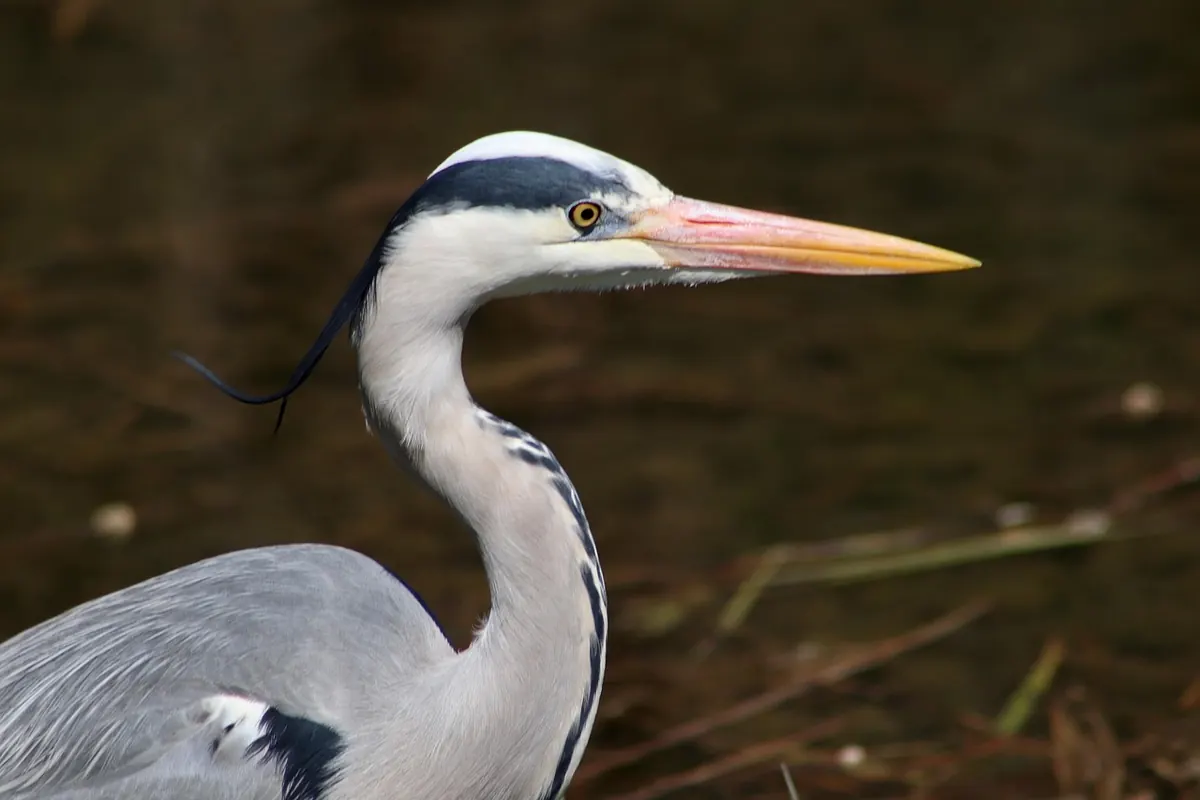
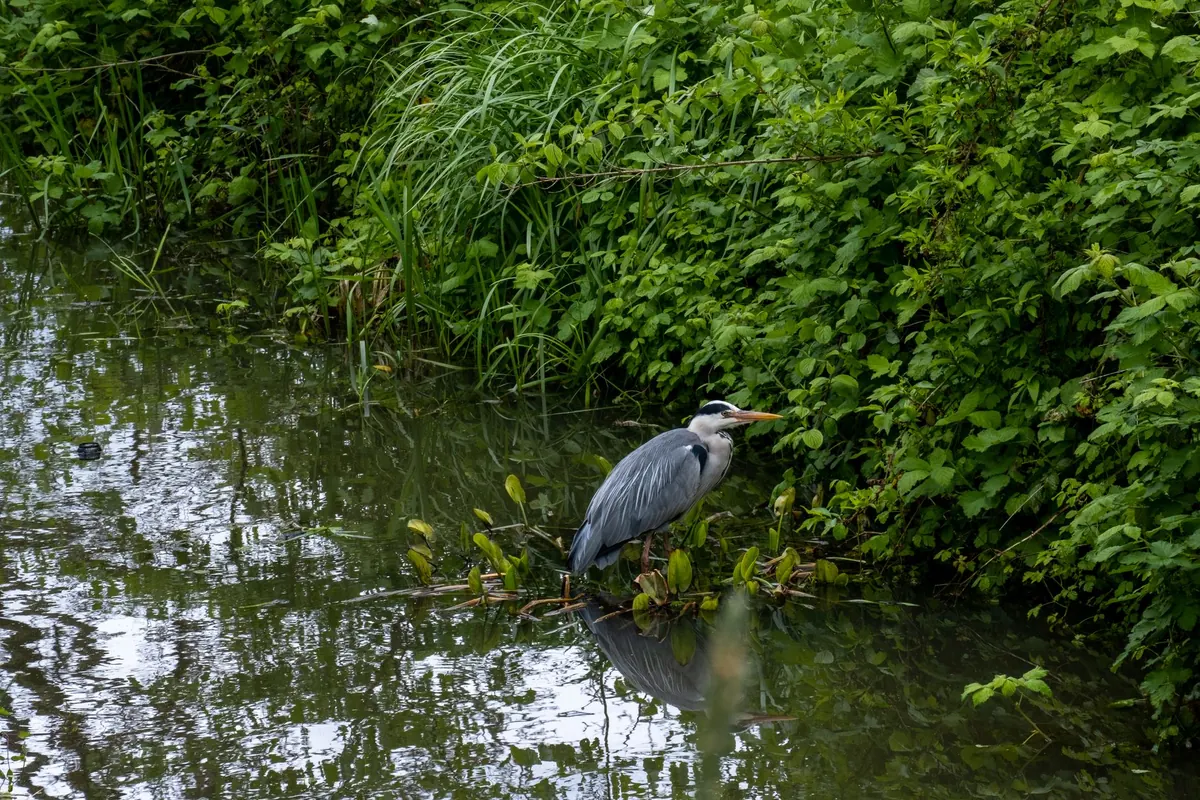
Grey herons feed alone, spaced out along rivers and lake edges, but they nest together. That contradiction creates most of the conservation problems, and most of the solutions, that follow.
What counts as a heronry?
Put simply, a heronry is a place where herons nest in a group. In Britain that usually means grey herons, and it almost always means trees: alder, oak, ash, Scots pine, sycamore or willow, whichever grows tallest nearest to water. The birds build bulky platforms of sticks high in the crown, adding to the same structure year after year until some nests are the size of a small armchair and the branch beneath them sags.
Counters generally treat any group of two or more nesting pairs as a heronry, though the old traditional sites may hold dozens of nests. Not every heronry is a single-species affair. Little egrets, now widespread across southern Britain, often nest in the lower canopy of the same trees, and cormorants join them at some sites. At a few woods in eastern England, spoonbills have taken up residence too.
Timing is what makes these sites so exposed. Grey herons are among the earliest tree-nesting birds in the country. In a mild year, eggs appear in late February, with most clutches laid through March. A heron sitting tight on a nest in a cold, leafless wood has nothing to shelter it from the weather or from the neighbourhood crows.
Why herons nest in colonies
Watch a colony for an hour and the advantages become obvious. More pairs mean more eyes, and a fox or buzzard moving through the wood is spotted early and announced loudly. Younger birds nesting alongside experienced ones seem to do better, and the sites themselves are traditional: the same wood may be used for decades, with birds that fledged there returning to breed.
The position has to be right. Herons need feeding grounds within a few kilometres — a river, a canal, a gravel pit, a marsh or an estuary — but they also need somewhere quiet enough to raise young. Wet woodland, an island, or the forgotten corner of a large park often fits the bill.
Why colony trees are vulnerable
All the eggs in a few baskets
A heronry concentrates an entire local population into perhaps six or eight trees. That is an efficient way to nest and a hopeless way to spread risk. One winter gale, one unsympathetic felling operation, and the site is gone. Herons rarely relocate smoothly; other heronries nearby are often already full, and a new site can take years to establish.
Diseased and ageing trees
Heronries depend on mature trees, and mature trees are having a hard time. Ash dieback is thinning ash from the canopy downwards across much of the country, and ash is a classic heronry tree. Dutch elm disease removed elms from the landscape last century and shifted where some colonies could sit. Every generation of trees lost narrows the choice.
Water, weather and disturbance
Water abstraction, drainage and dry summers lower water tables and stress the trees that hold the nests. Storms snap limbs and topple whole crowns. But disturbance is the pressure most within our control, and it does more damage than most people realise. In February and March, eggs and small chicks cool quickly. A bird flushed from the nest may return to cold eggs or none at all, and crows, magpies and gulls are watching for exactly that moment.
Here is the legal wrinkle that catches people out. A heron's nest is protected across the UK while it is in use, and so are the eggs and young, but the tree is not protected in the same way. Outside the nesting season, a heronry tree can be felled lawfully unless it is covered by a tree preservation order, a felling licence or a designated site. Winter tree work can therefore dismantle a heronry without anyone breaking the law, and the birds only discover it when they return in February. The rules differ between the four nations and the details matter, so if you are planning work near a heronry, take advice from the relevant statutory body — Natural England, Natural Resources Wales or NatureScot — and from your local planning authority before anyone starts a saw.
Pressures facing UK heronries today
- Loss of mature trees — felling, tidying-up and safety work in woods where nobody has checked for nests first.
- Tree disease — ash dieback now, Dutch elm disease before it, both removing the tall trees herons prefer.
- Disturbance in the nesting season — photographers, drone flights, climbers, dogs off leads and forestry work between
Photo: JerzyGórecki / Pixabay