Understanding Heron Habitats: Ponds, Rivers, Marshes and Reservoirs
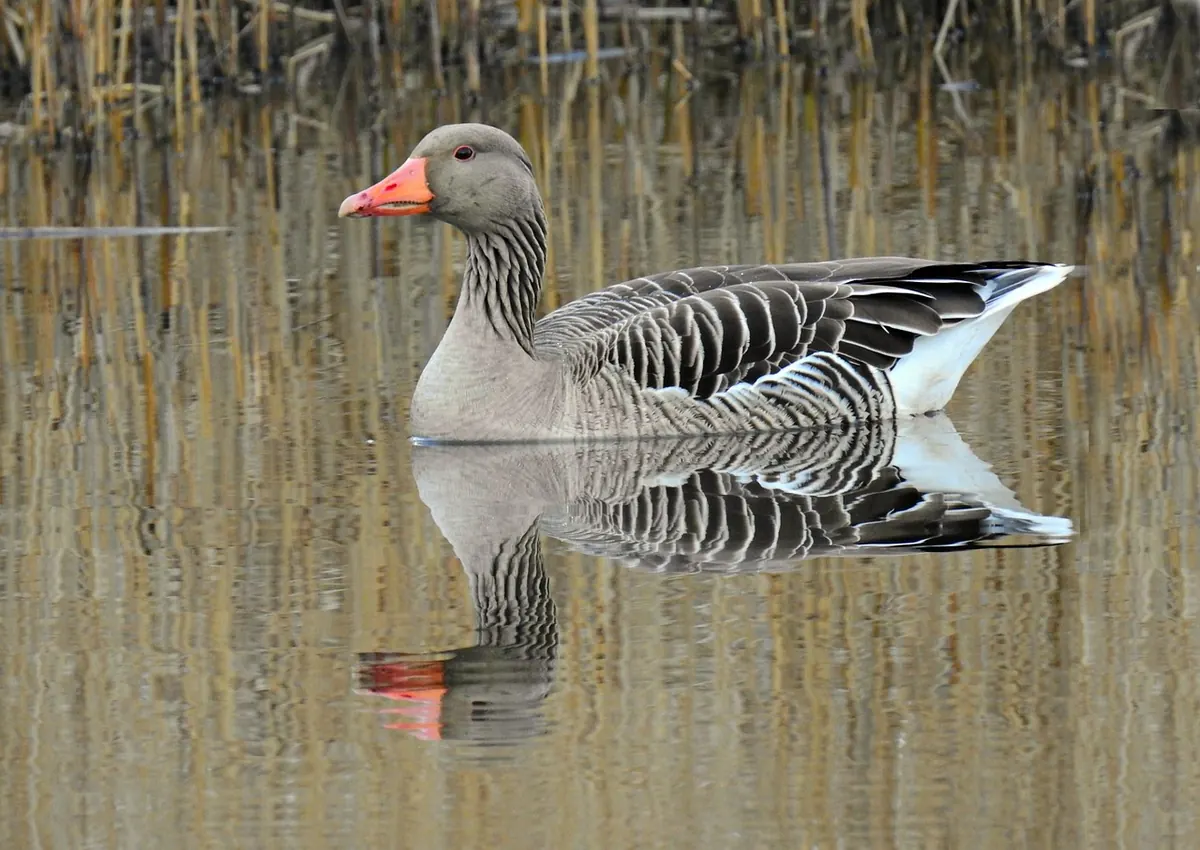
There is a moment every pond-watcher learns to expect. A grey shape has been standing at the far end of the water for ten minutes without moving, and you have almost stopped looking at it. Then the head dips, the neck straightens, and a fish that was perfectly content a second ago is being rearranged in a long yellow beak.
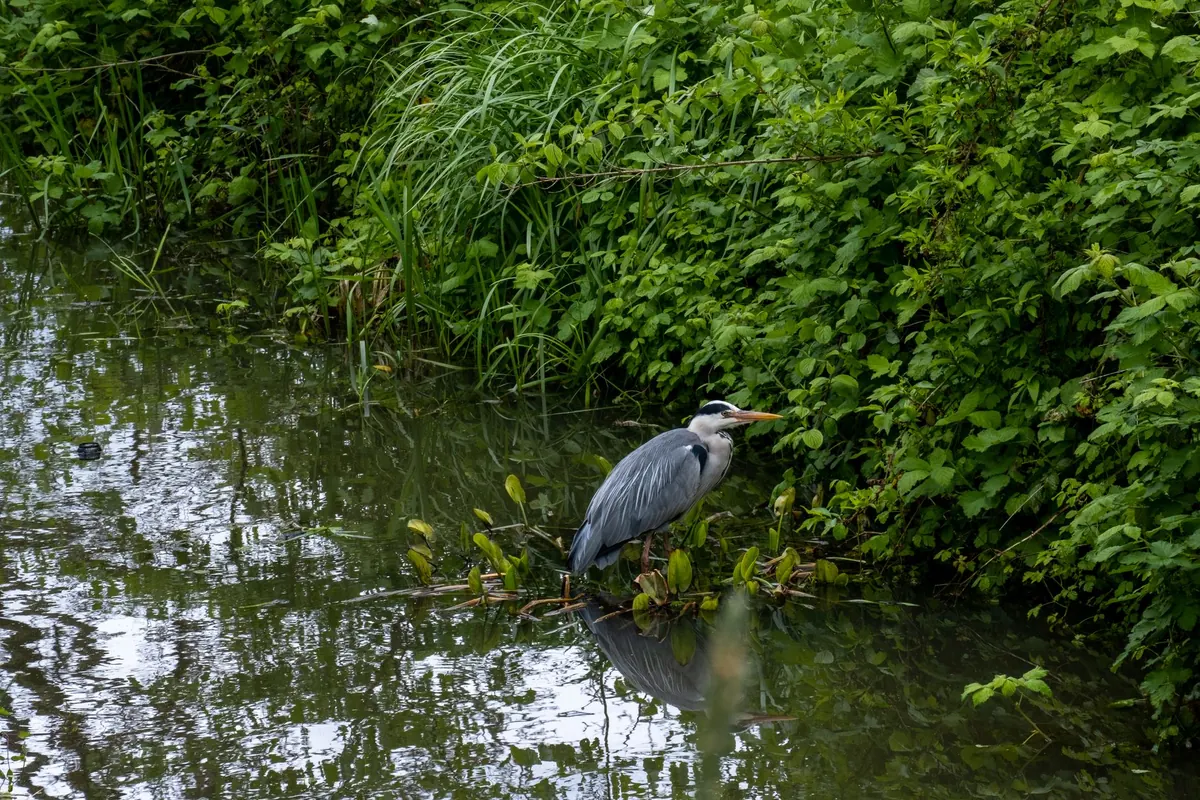
That stillness is the whole trick. The grey heron is an ambush hunter, and the way it uses a wetland follows directly from that: it wants shallow water, a firm edge to stand on, and prey that comes within striking distance. Find those three things and you have usually found a heron.
What a heron needs from a wetland
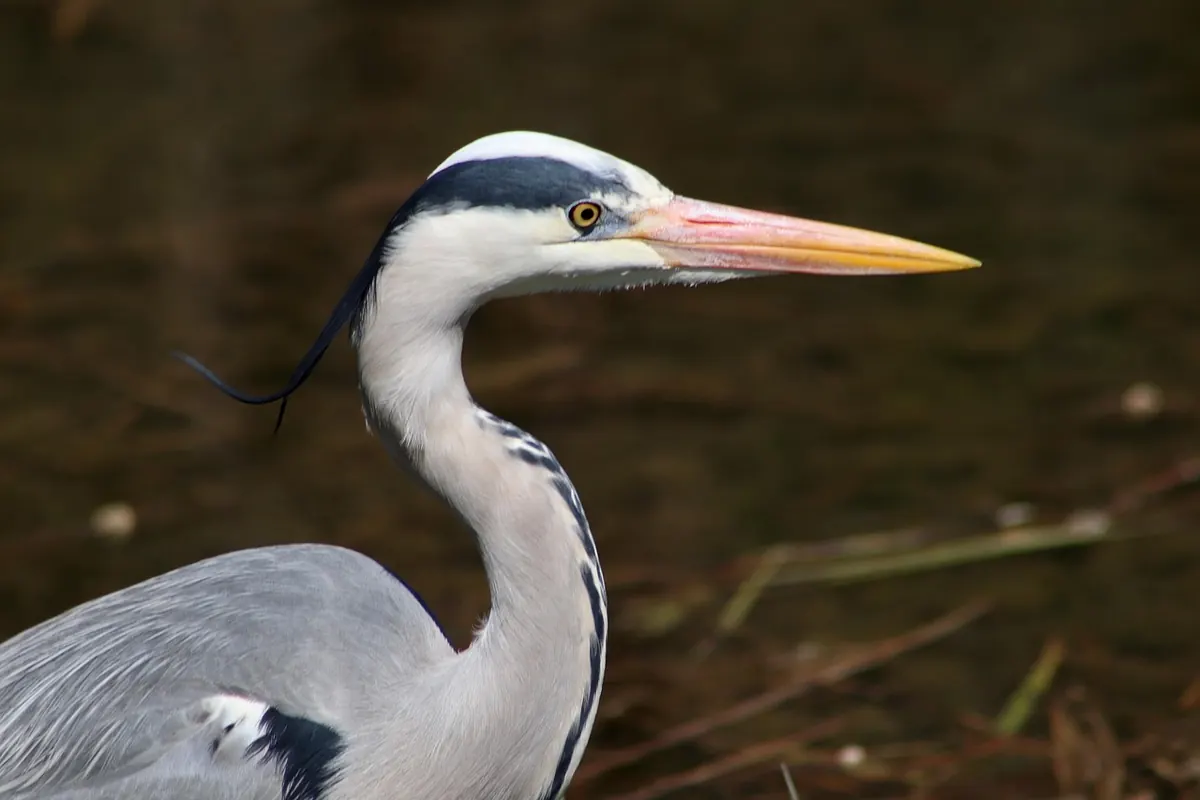
Grey herons stand roughly a metre tall on long, thin legs with wide toes that stop them sinking into soft mud. They wade rather than swim, and water deeper than about knee height stops being useful to them. That single limitation explains most of their habits. On any lake, river or pond, the birds concentrate at the margins.
The features that matter most are consistent across every habitat in Britain:
- Shallow, gently sloping edges rather than a vertical stone or concrete lip.
- Some kind of edge structure — submerged weed, overhanging branches, reed fringe — where fish and amphibians gather.
- Reliable prey: fish, frogs, newts, insects, and in cold weather worms and small mammals taken from wet grass.
- Safe loafing spots such as a dead tree, an island, a jetty or a post, used for preening and digesting.
- Low disturbance. A heron will give up an excellent feeding spot long before it gives up the idea of feeding.
A tidy, steep-sided ornamental pool with no shallows can be almost useless. A scruffy farm pond with a muddy bay and a few overhanging willows can hold a bird every day.
Ponds: small water, big value
Garden ponds, village ponds, park lakes and farm ponds punch well above their size. Herons visit them for fish, but plenty of small ponds hold no fish at all and still attract birds, because frogs, toads and newts are just as welcome. This is why netting a garden pond becomes a familiar routine for anyone who keeps ornamental fish.
Ponds also change through the year. In late summer, when levels drop and the shallows shrink, fish are concentrated into less water and the feeding gets easier. If you have a pond nearby, watch it in a dry spell as closely as you watch it in spring. Herons are quick to notice a pool that is quietly becoming a larder.
Rivers: working the flow
Herons on rivers favour the slower, shallower stretches: backwaters, side channels, the inside of bends where gravel has built up, and the quiet water behind a fallen branch. They will also station themselves below a weir or a sluice outfall, where stunned and disorientated fish are easy pickings.
Winter is when rivers come into their own. When still water freezes over, flowing water usually stays open, and herons move onto whatever stretch remains ice-free. Tidal rivers are worth a look too, particularly on a falling tide when mud and creeks are exposed. Walk a riverbank quietly in a hard frost and you may find three or four birds spaced out along a few hundred metres, each holding its own patch.
Marshes, fens and reedbeds
If you had to choose one habitat for herons, it would be marsh. Shallow water, tangled cover, soft banks and an abundance of amphibians and insects, all in one place. The grazing marshes of the Somerset Levels, the Broadland dykes and the wet grasslands of eastern England are classic heron country.
Ditches matter more than they look. These narrow, shallow channels are perfect heron habitat, and birds walk them methodically, sometimes for hours. Reedbeds hold a close relative, the bittern, which is far more secretive and best looked for in winter when birds move between open pools in freezing weather. Little egrets, now a common sight across much of southern Britain, often feed alongside herons in these wet fields, though they tend to be busier and more active.
Flooded grassland is the other half of the marsh story. When meadows sit under a few centimetres of water, herons switch from fish to earthworms, leatherjackets and the occasional vole, and you will often see them standing in fields far from any open water.
Reservoirs, lakes and gravel pits
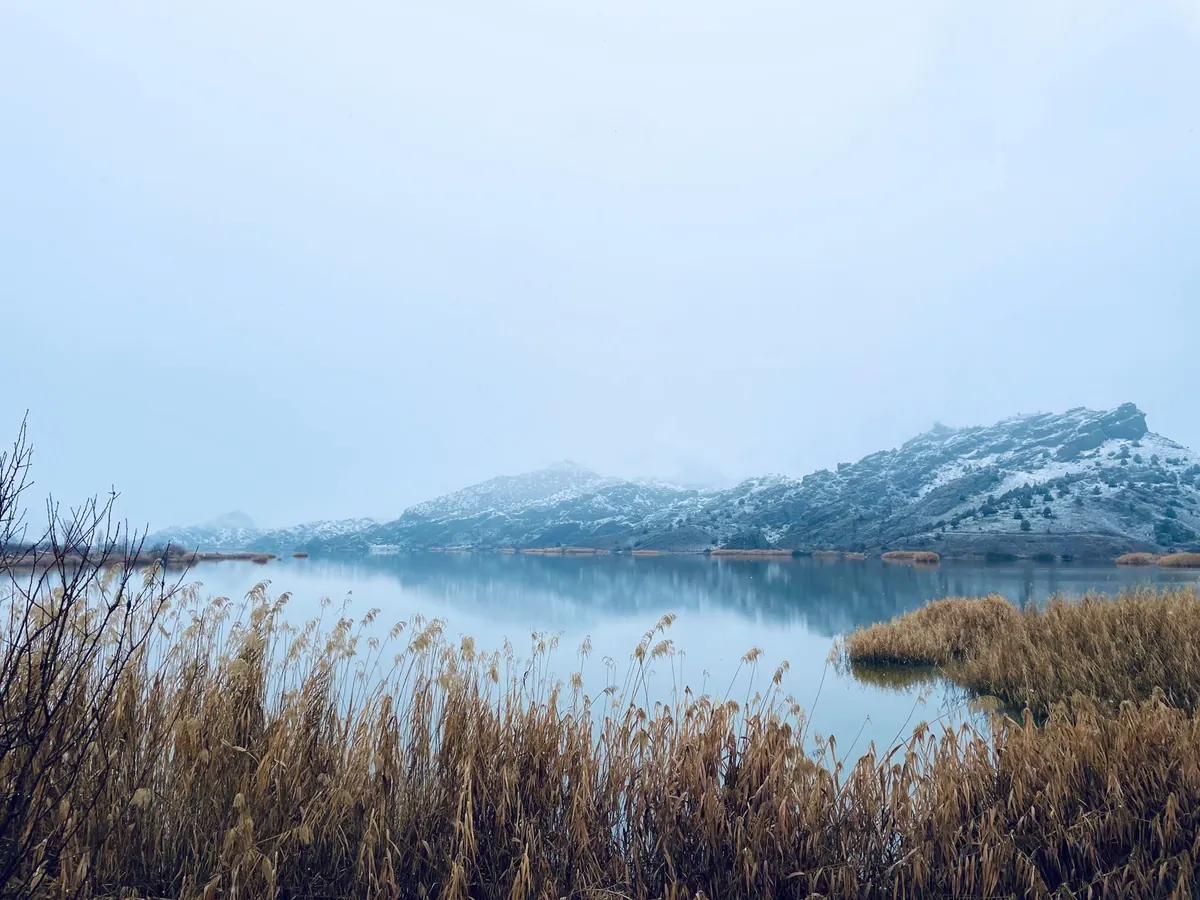
Large man-made waters are a mixed blessing. Steep banks and rapidly changing levels can leave herons with nothing to stand on, but reservoirs still attract birds when conditions suit. Look for the shallow top end where a stream enters, any flooded inlet, and the exposed mud of the drawdown zone when levels are low. Islands and marginal trees provide the loafing spots that make a site worth returning to.
Old gravel pits and clay pits are usually better. Irregular, unfenced edges, islands and plenty of shallow water make them excellent for herons and for the anglers who share them.
How heron habitat use shifts through the year
Late winter and spring
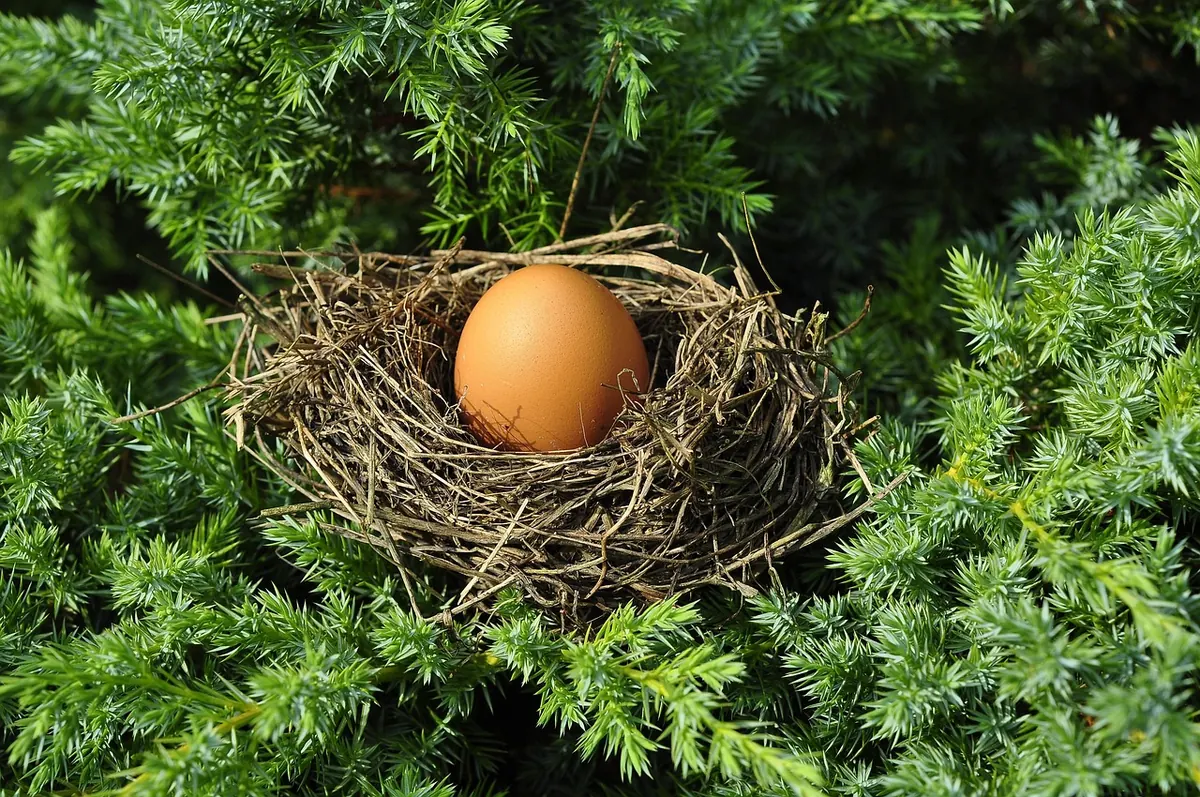
Breeding starts early, often while the weather is still grim. Herons nest colonially in heronries, usually in tall trees, and the adults need good feeding within a reasonable distance of the nests. This is the season to keep a respectful distance and to resist the urge to walk underneath.
Late spring and summer
Adults ferry food to noisy, fast-growing chicks. Once the young fledge, they disperse widely, and shallow pools with plenty of frogs become important for inexperienced birds learning the trade.
High summer
Drying margins concentrate prey. Small pools, drained ditches and shrinking ponds can be far more productive than the big water next door.
Autumn and winter
Numbers build as birds arrive from the Continent, and hard weather reshuffles everything. Frost pushes herons onto rivers, springs, outflows and tidal creeks, and onto fields where the ground stays soft.
Watching herons without pushing them away
Herons are tolerant up to a point, and that point is closer than most people think. A bird that ignores a car or a hide will often fly from a walker on an open bank. A few habits make a real difference:
- Approach slowly and use cover. Watch from behind a hedge, a fence line or a parked car rather than walking the water's edge.
- Look for the signs first. White splashes beneath a favourite perch, pellets, and footprints in soft mud all tell you where a bird regularly stands.
- Follow the water level, not the calendar. After rain, check the flooded field behind the pond; in a dry spell, check the shrinking pool at the far end.
- In a cold snap, head for moving water. Weirs, springs, outflows and tidal creeks stay open when everything else is locked up.
- Keep dogs out of the shallows and give nesting heronries a wide berth in spring.
One last thing worth knowing: a heron in flight pulls its neck back into its shoulders, so it looks hunched and compact. Cranes and storks fly with the neck stretched out ahead of them. Learn that silhouette and you will know what you are looking at long before it lands on the far bank.
Photo: MabelAmber / Pixabay