Common Mistakes When Watching Nesting Herons (and How to Avoid Them)
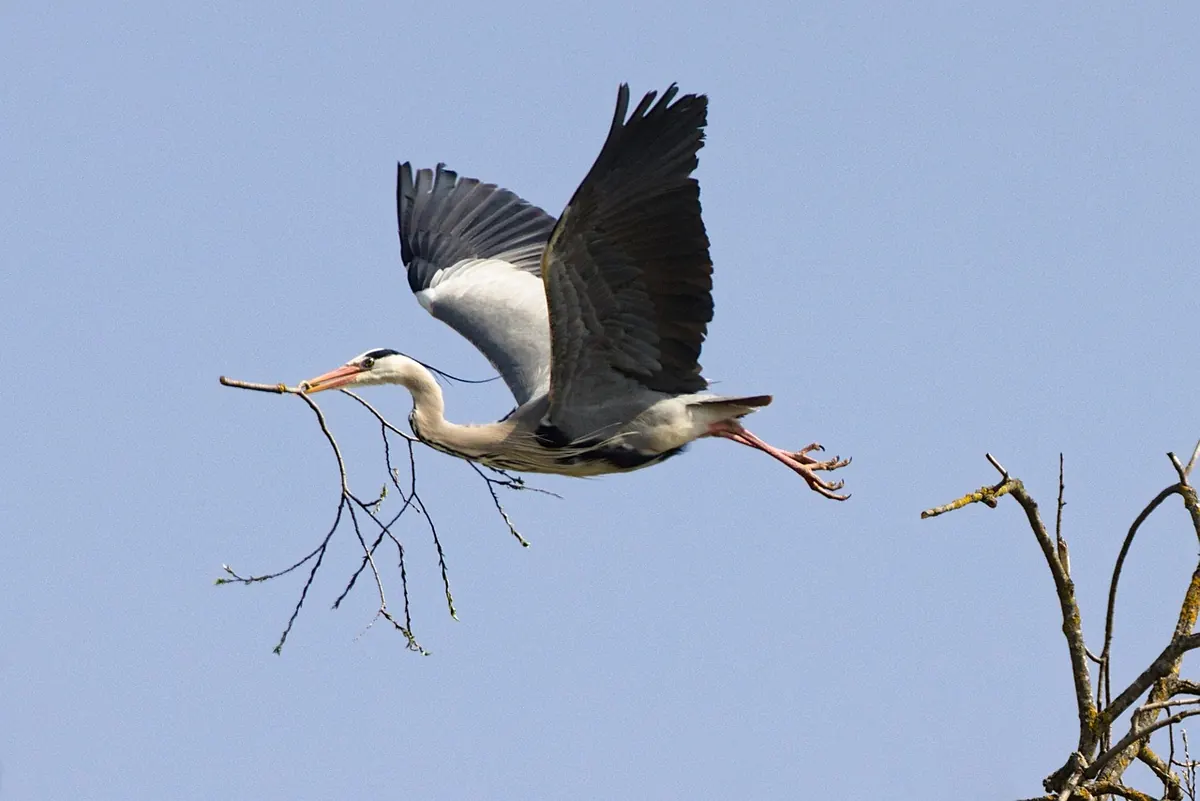
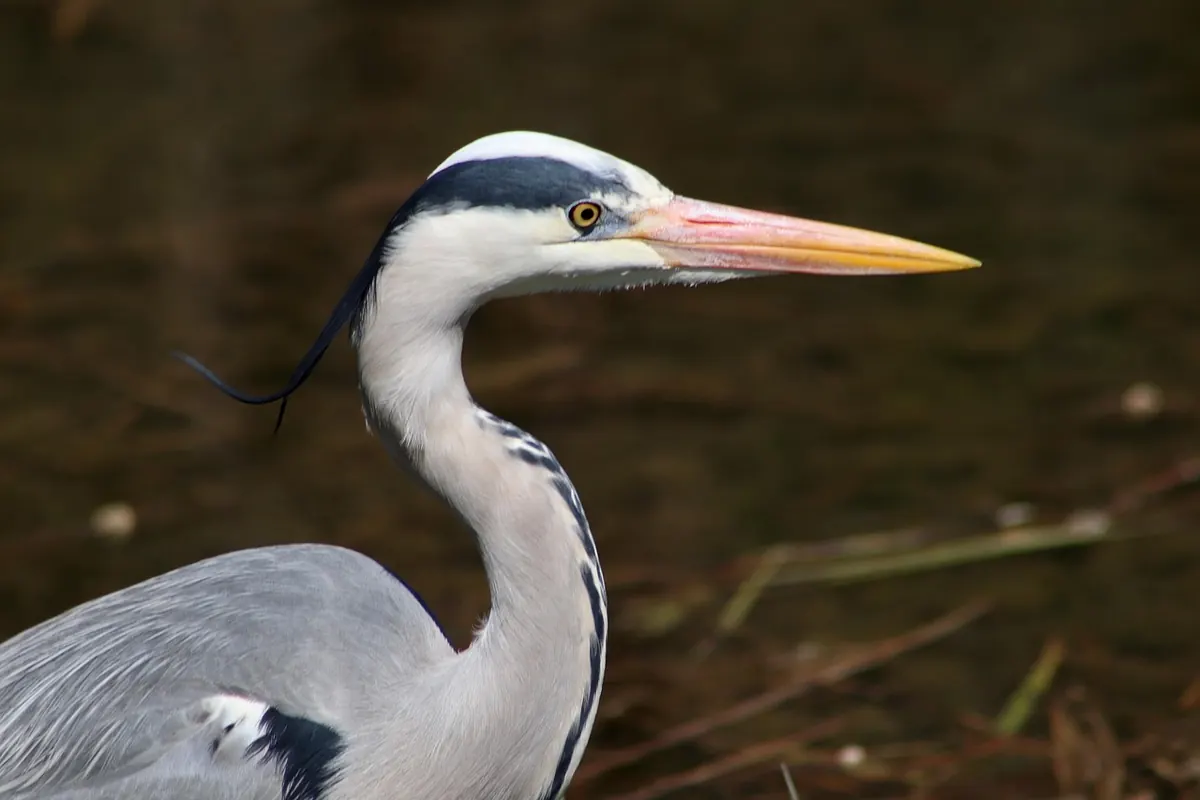
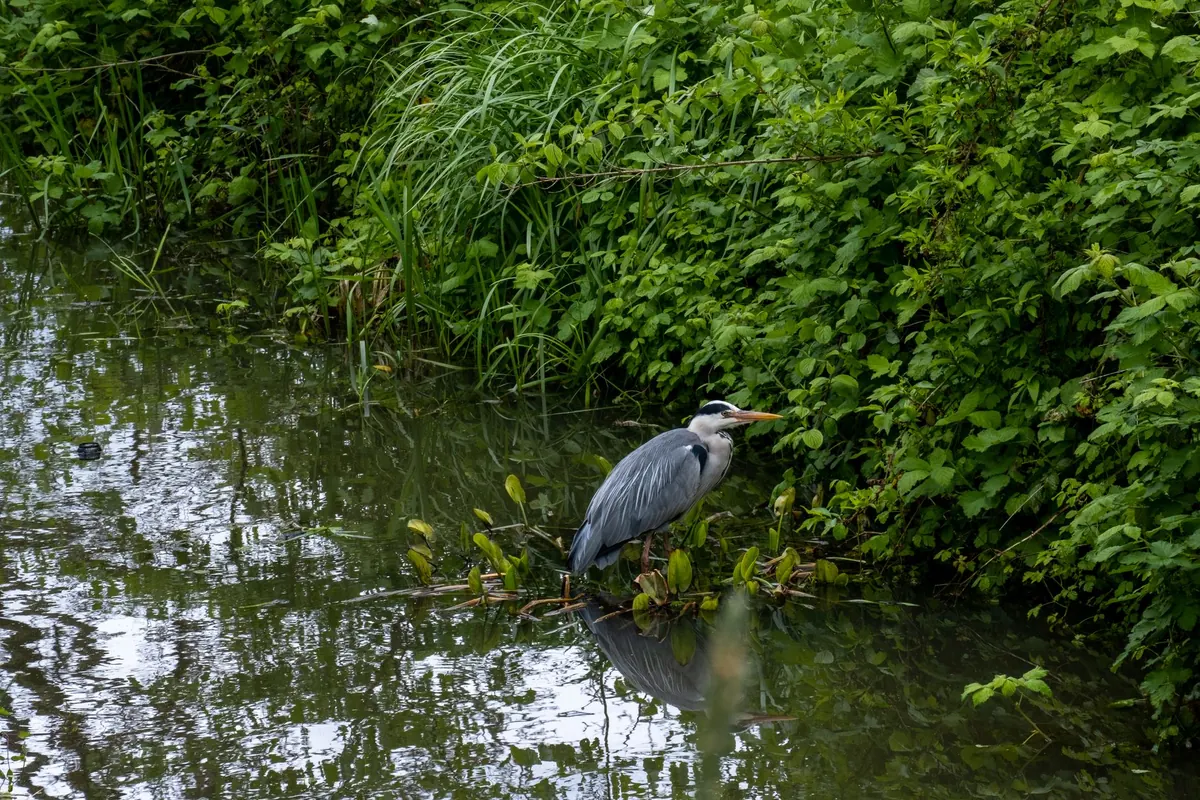
Grey herons are among the most watchable large birds in Britain. They nest in tall trees, in parks, along rivers and on wooded islands, and they often start before the leaves have opened, which gives you a clear view of the whole heronry. That visibility is a gift. It is also why so many well-meaning watchers disturb the birds without realising it. A colony can look perfectly calm while quietly absorbing pressure from people who only wanted a closer look. Here are the mistakes that do the most damage, and what to do instead.
Getting Too Close to the Nest Tree
Herons are patient birds, and that patience is the trap. An adult sitting tight is not necessarily relaxed; it is weighing up whether to stay. Keep walking and it will eventually go, and the cost is paid by the eggs or small chicks left behind — exposed to cold, rain and predators such as crows, gulls and foxes. On a frosty morning in March, a single flushed adult can set incubation back considerably.
Distance is the simplest fix. With a telescope, a heronry 150 to 250 metres away is perfectly readable, and birds barely register a stationary observer at that range. Binoculars need you closer, so work from a footpath, a gate, a hedge or across water, and stop the moment the nearest adult stands up, stretches its neck or stares down at you. That stare is a message. Take it.
Visiting Too Often, or at the Wrong Moment
Disturbance is usually cumulative rather than dramatic. One careful visit in a season is trivial. Twenty visits by twenty different people across a few weeks is not. The worst conditions are cold, wet and windy days, the first fortnight of incubation, and the days just after chicks hatch. Repeated flushing in bad weather does far more harm than the same behaviour on a mild morning in May.
Keep visits short — fifteen or twenty minutes at a distance is plenty — and move on if someone else is already watching. If the heronry sits on an island, do not land a boat or paddle up to the shoreline for a photograph. The far bank is almost always the better seat.
Misreading Heron Behaviour
Herons do not perform for an audience. A raised crest, a gaping bill or a harsh croaking call is not a display to enjoy; it is an alarm. Knowing the difference between stress and ordinary nesting life is the single most useful skill you can develop at a heronry.
- Standing up on the nest, neck extended, staring in your direction
- Bill snapping or a repeated, harsh croak
- Adults leaving in ones and twos and circling overhead
- Birds shifting to the far side of the tree, or chicks crouching flat
- A sudden silence across the whole colony
If any of that happens, step back until something — a hedge, a wall, a bend in the path — breaks the line of sight, then wait quietly and watch whether the birds settle. They usually will, given ten minutes and no further movement.
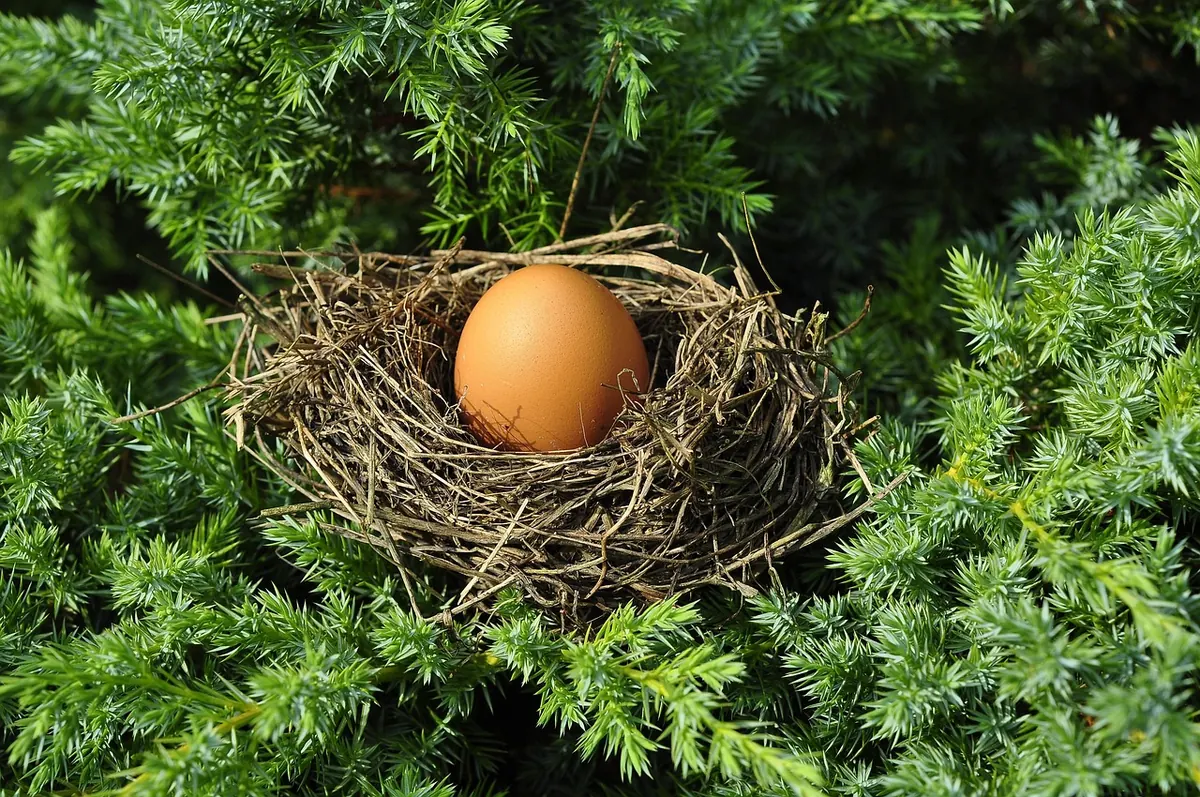
Plenty of harmless behaviour gets misread in the other direction, too. An adult lazing on the rim of the nest and preening, chicks left alone while both parents feed, an incubating bird shifting eggs with its bill — none of it means neglect. Grey herons typically lay three to five eggs and incubate for around a month, and they are steady, unexcitable parents.
Assuming an Empty Nest Means Abandonment
Herons leave nests unattended as a matter of routine. An apparently empty nest for twenty or thirty minutes is entirely normal, and adults often feed some distance away before returning. Only a nest left untouched for days, with no adult anywhere in the tree, is worth flagging — and even then the right response is a call to your local wildlife trust or the relevant conservation body, not a climb up the trunk.
The same caution applies to young herons found on the ground in early summer. They leave the nest well before they can fly properly, and a parent is often feeding them nearby. Standing over a grounded juvenile to take photographs is a good way to push it into a road or a dog's path.
Fieldcraft That Gives You Away
Herons have excellent eyesight and a low tolerance for the unfamiliar. Bright clothing, a tripod silhouetted against the sky, a car door slammed within earshot, an excited conversation, a dog off the lead — all of it pushes birds off nests. So does flash photography, and so does baiting with fish to pull herons closer to a camera. A drone over a heronry will clear the trees.
Instead, use a long lens or a scope and crop later, approach with cover between you and the birds, and keep below the skyline. Study the tree from a distance first and pick the one spot where you are least visible before you settle.
Sharing the Location
Posting a grid reference, or a photograph with a recognisable church tower or bridge in the background, can send a stream of visitors to a small heronry within days. Share the general area rather than the nest tree, and leave nest photographs out of public galleries during the season. If you record counts for a local group, pass precise locations to the county recorder, not to an open forum.
A Simple Routine for Watching Heronries Well
- Plan the visit for a mild, dry day, avoiding the coldest mornings of early incubation.
- Park well away and walk the last stretch slowly and quietly.
- Find a viewing point at least 150 metres away, with cover and public access.
- Watch for two minutes before setting up. If the birds are already alert, retreat and try another angle.
- Cap the visit at twenty minutes, and leave at the first alarm signal.
- Note what you see, then move on, so the birds get their day back.
None of this requires expensive kit or a special permit. It requires a bit of patience and the willingness to accept that the best view is not always the closest one. A heronry watched carefully over a spring will give you more than a heronry glimpsed once at close range — and it will still be there next year. If you are unsure whether a planned visit, a survey or a photography project might cross a legal line, ask the relevant statutory conservation body for guidance before you go.
Photo: DerWeg / Pixabay