Heron Watching Checklist: 10 Essentials for a UK Wetland Walk
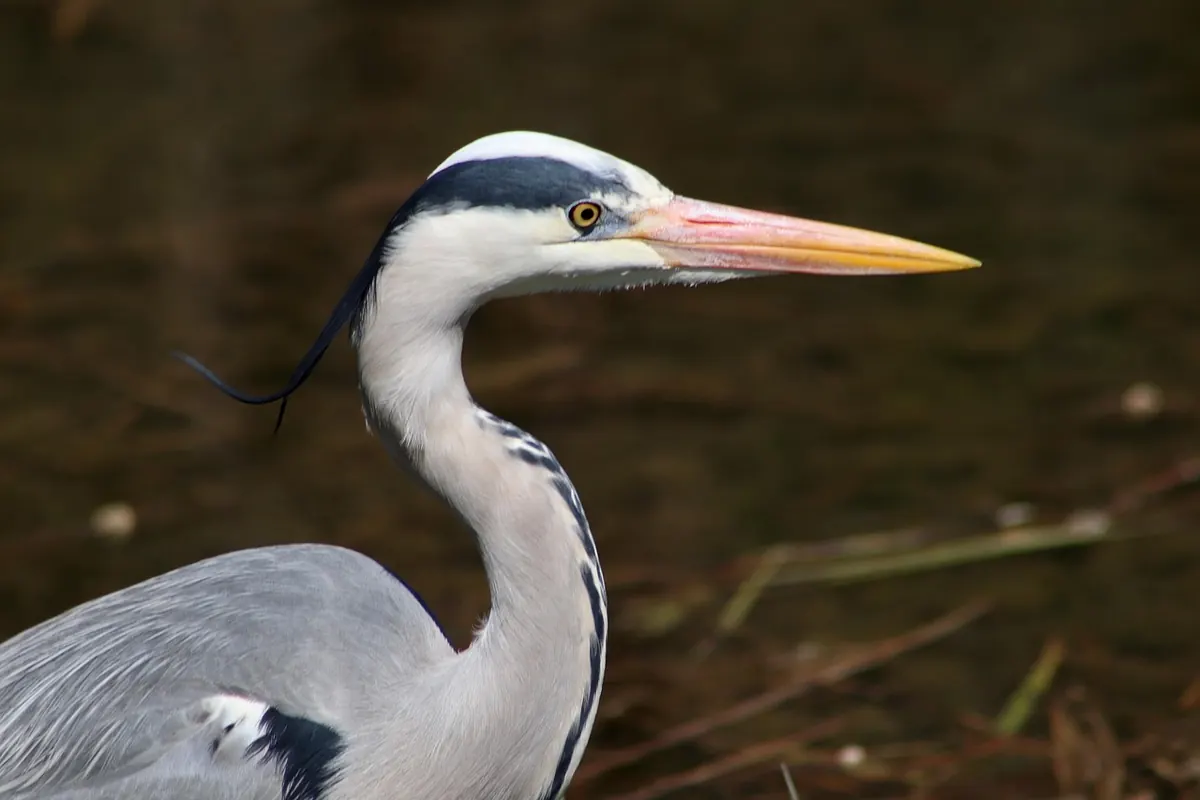
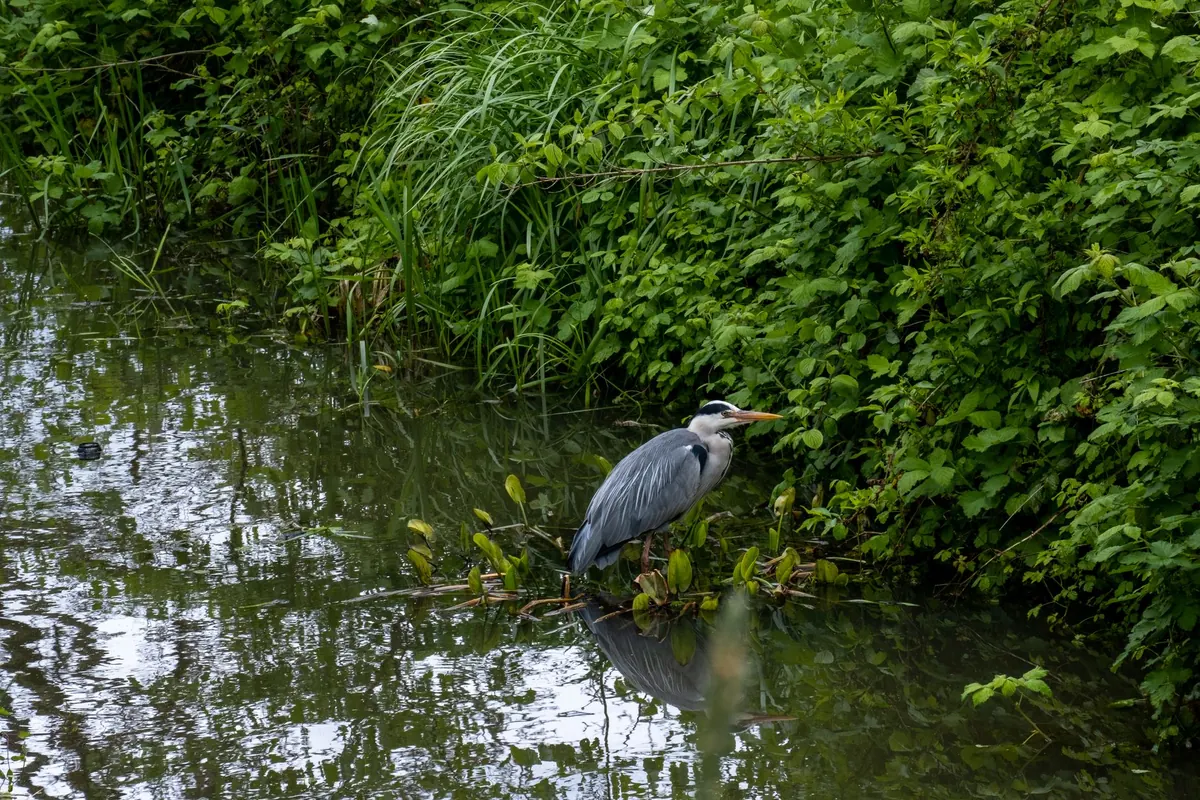
A grey heron can stand in the shallows for twenty minutes without moving, then take a fish in a single strike. Watching that happen beats reading about it afterwards, but wetland sessions rarely reward improvisation. They are cold, often muddy, and timed to a tide that will not wait for you. What follows is a working checklist for heron-focused walks on estuaries, marshes and reedbeds: ten essentials, in rough order of importance, plus the preparation that makes them count.
Get the optics right before anything else
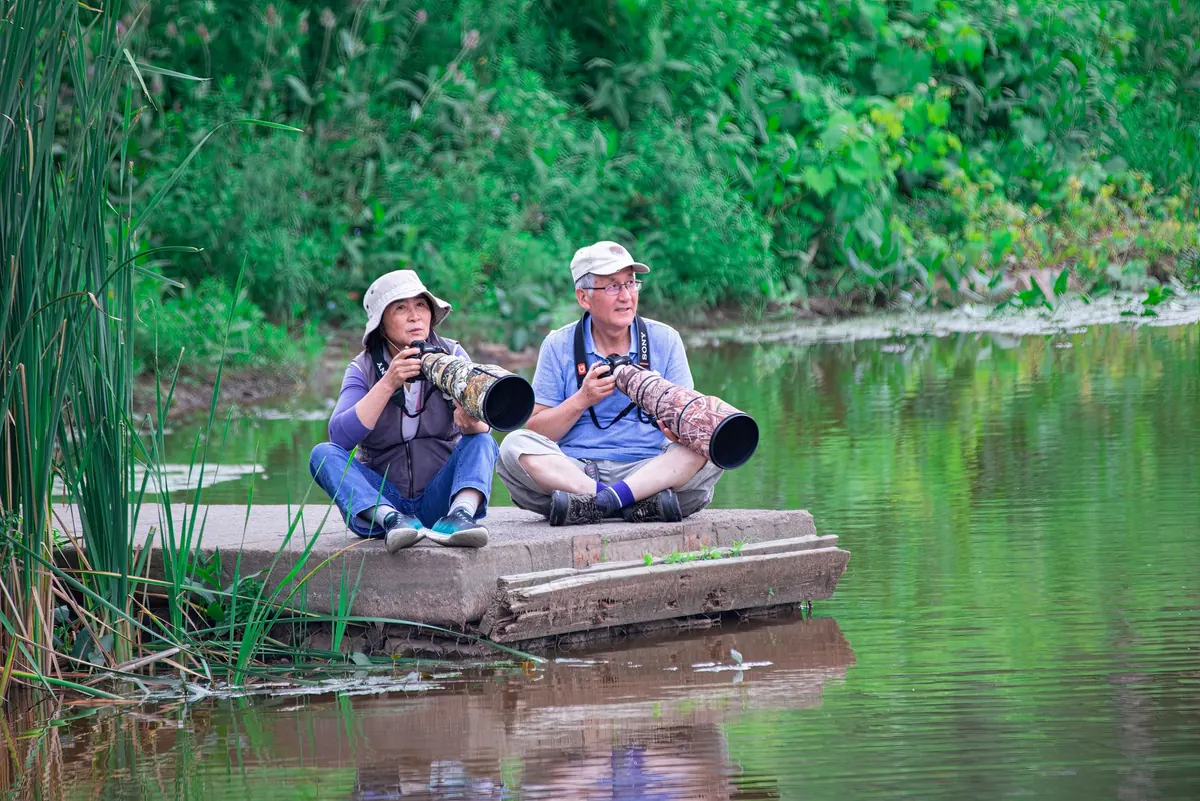
Binoculars do almost all the work on a heron watch. An 8x42 or 10x42 pair will cover virtually every situation you meet in a UK wetland. Go for 8x if you value a wide view and a steady image in low light; choose 10x if you are happy to trade a little field of view for extra reach across an estuary.
Waterproofing matters more than magnification. A damp morning will fog cheap optics, and a rubber-armoured, nitrogen-purged pair keeps working when everything else is wet. If you already own binoculars, use them. Familiarity with your own focus wheel, found by feel with gloves on, is worth more than a specification upgrade.
A spotting scope earns its place at large reserves and estuaries where birds sit two or three hundred metres out on the mud. Only pack it if you are genuinely willing to carry it. Set the tripod low so you can sit or kneel beside it, and keep a lens cloth and a soft brush in the bag for salt spray and dust.
Dress to stand still for an hour
Heron watching is largely a standing-still activity, which is why most people get cold long before the birds get interesting. Build layers rather than bulk: a base layer, an insulated mid-layer and a genuinely waterproof outer shell. Wellington boots or waterproof walking boots with proper grip are essential on clay paths, wet boardwalks and marsh edges; add gaiters if the grass is long.
Colour matters. Bright whites, neons and shiny fabrics show up at distance and can push birds further out. Neutral greens, browns and dark blues are the sensible default. Fingerless gloves let you work a focus wheel, and a hat makes more difference than most people expect on an exposed hide.
In summer, midge repellent and a head net are not luxuries on a reedbed reserve. In winter, a sit mat or folding stool turns a twenty-minute wait into an hour, and a flask turns an hour into a good one.
Read the tide before you read the reserve map
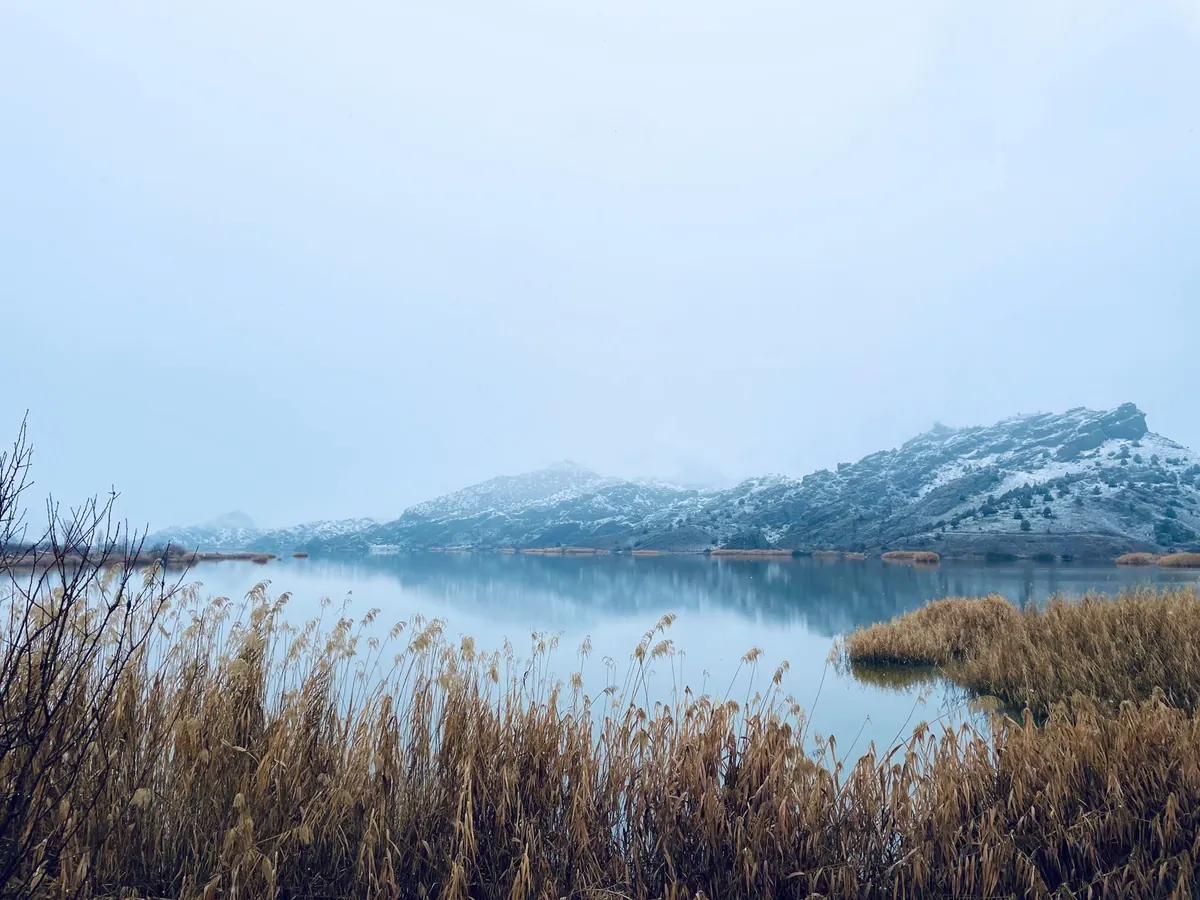
Estuaries and tidal marshes
On tidal sites, the falling tide exposes mud and the birds follow it out. Grey herons and little egrets work the edges of creeks and pools; as the water returns they drift back to roost. Aim to arrive an hour or two before low water and stay into the first of the flood.
Use a tide table for your nearest standard port, but treat it as a guide. Times shift along a single estuary, and a strong onshore wind can push water in early. If you can, watch the site once without optics first, just to learn how the water moves.
Reedbeds, dawn and cold snaps
Reedbed species are a different exercise in patience. Bitterns are secretive at the best of times; the most reliable opportunities come on hard winter mornings, when ice pushes birds to the open edges for a short, visible feed. In spring the boom carries a long way across the reeds, but the bird itself often stays hidden. Grey herons and egrets are more obliging at first light, so be in position before sunrise rather than arriving with it.
Field notes worth keeping
A waterproof notebook and a pencil beat a phone in the rain. Pencils write on damp paper and do not freeze. Note the time, the state of the tide, wind direction, cloud cover and temperature, then what you saw and what it was doing: feeding, standing, preening, roosting, in flight. Add a line about how the bird reacted to you — whether it lifted its head, shifted away, or ignored you entirely.
Record the blanks too. Knowing where you did not see a heron, and in what conditions, is how you build a picture of a site across a season. A quick sketch — the angle of a creek, the shape of a reed edge — will jog your memory better than a paragraph will.
Simple rule, for the notebook and for the bird: if a heron has stopped feeding and is watching you, you are already too close.
The ten essentials at a glance
- Binoculars, 8x42 or 10x42, with a rain cover.
- Spotting scope and lightweight tripod, if the site is open and the birds are distant.
- Wellies or waterproof boots with grip, plus gaiters.
- Waterproof jacket and an insulated mid-layer.
- Neutral outer clothing, a hat and fingerless gloves.
- Tide table for the nearest port, printed or saved offline.
- Waterproof notebook and pencil.
- Field guide or identification app, plus a power bank.
- Flask, water and something to eat.
- Sit mat or folding stool, and a small torch for the walk back.
Keep your distance, keep the session honest
Use hides and marked paths where they exist, and resist walking the water's edge just to get closer. Move slowly, talk quietly
Photo: @coldbeer / Pexels